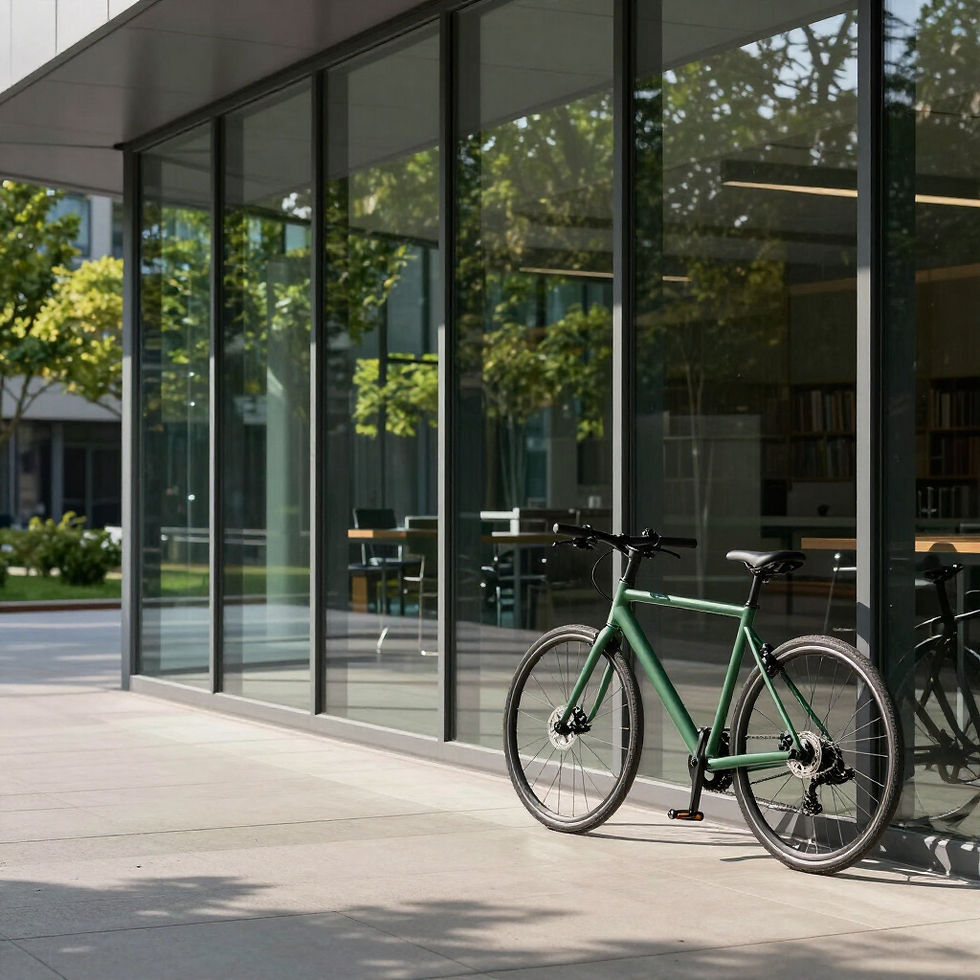
Designing the Future of Student Transit
Research project focused on, Florida Atlantic University's Boca Raton Campus, delivering a sustainable and accessible bike-sharing program tailored for campus scale.
⭐ Featured Activities
🚲 Explore Key Findings
Discover how FAU’s campus density, trip distances, and surrounding urban structure support the implementation of a bike-sharing system. This section highlights the most important insights from the research, including mobility patterns, connectivity gaps, and opportunities for sustainable transportation improvements.
🗺️ View Proposed Bike Share Locations
Explore the proposed station locations designed to maximize accessibility and ridership. These locations focus on high-demand areas such as campus housing, academic buildings, and major destinations including Mizner Park and the Brightline Station.
👉 Includes Figure 3: Proposed Bike Share Station Map
📊 Analyze Trip Distances & Connectivity
Examine how travel patterns between campus and surrounding destinations fall within optimal cycling distances. Visual diagrams illustrate how short-distance trips can shift from car use to bike-share.
👉 Includes Figure 1 & Figure 2
🌱 Understand Sustainability Impacts
Learn how bike-sharing can reduce greenhouse gas emissions, decrease traffic congestion, and minimize parking demand. This activity connects the project to broader urban sustainability goals and climate action strategies.
🧠 10 Things to Know About Bike Share at FAU
Quickly understand the most important takeaways from the project, including why FAU is uniquely suited for bike-share implementation and how it compares to successful systems like Florida State University’s program.
🔗 Explore Related Resources
Access additional information about bike-sharing systems, including case studies, planning resources, and real-world examples like the Pace Bike Share Program.
The Vision Behind the Wheels
My initiative was born from a desire to redefine campus mobility and improve connectivity to surrounding urban destinations. By integrating a seamless bike-sharing network into Florida Atlantic University, I targeted a significant environmental milestone: a 15% reduction in the campus carbon footprint. This project isn't just about transportation; it's about fostering a culture of sustainability and providing students with a healthy, efficient way to navigate the academic and social aspects of their life. By implementing a deepened connectivity to many popular social hubs these small shifts in travel habits lead to massive shifts in ecological impact.
Benefits:
-
Reduce traffic congestion
-
Improve student mobility
-
Lower emissions
-
Better connectivity within campus and social hotspots

HOME
_______________________________________
| | | | | |
About Project Methods Results Activities
| |
Conclusion References
Home
-
Brief Description
-
Benefits
-
Featured Activities
-
Navigation Menu
-
Supporting Image
About Me
-
Bio
-
Academic focus
-
Why you chose this project
Project Description
-
Problem Statement
-
Rationale
-
Background / Literature Review
Methods
-
GIS Mapping
-
Trip Distance Analysis
-
Connectivity Analysis
-
Case Study (FSU Pace)
-
FAU Library + Course Resources
Results & Findings
-
Spatial Structure
-
Trip Distance Analysis (Figure 1)
-
Connectivity Patterns (Figure 2)
-
Station Locations (Figure 3)
-
Demand & User Potential
Featured Activities
-
10 Things to Know
-
Key Findings
-
Sustainability Impacts
-
Bike Share Locations
-
External Resources
Conclusion & Recommendations
-
Summary of Findings
-
Implementation Strategy
-
Future Recommendations
References
-
APA Sources
-
External Links